
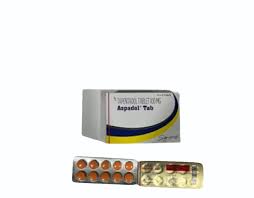
Aspadol 100mg is a powerful medication widely used in the management of moderate to severe pain. This pharmaceutical formulation is known for its potent analgesic properties, primarily due to its active ingredient tapentadol . Understanding how Aspadol 100mg works in the body can help patients and healthcare professionals make informed decisions about its use and potential benefits.
What is Aspadol 100mg?
Aspadol 100mg is a medication that contains tapentadol , a central nervous system (CNS) acting analgesic. This medication is primarily used to treat moderate to severe pain , such as that experienced after surgery, injury, or in certain chronic conditions like osteoarthritis. Tapentadol, the active ingredient, is classified as a dual-action analgesic , meaning it has two primary mechanisms of action that contribute to its effectiveness.
The painkiller Aspadol 100mg is an opioid. Narcotic is another term for an opioid. A prescription drug called Aspadol 100mg is used to treat moderate to severe pain. It alters how your body perceives and reacts to pain by acting on the brain. Among this medication’s adverse effects are nausea, sleepiness, vomiting, and dizziness. By blocking pain signals from entering the brain, Aspadol 100mg Tablet lessens the impression of pain.
Active Ingredient: Tapentadol
The main active ingredient in Aspadol 100mg is tapentadol , a synthetic opioid analgesic. Tapentadol is classified as both a mu-opioid receptor agonist and a norepinephrine reuptake inhibitor (NRI) , which makes it distinct from other traditional opioids.
How Does Aspadol 100mg Work in the Body?
Mechanism of Action:
Aspadol’s dual-action mechanism of action works through two distinct pathways:
- Opioid Receptor Activation: Tapentadol binds to the mu-opioid receptors in the brain and spinal cord. These receptors play a significant role in regulating pain perception. By binding to these receptors, tapentadol helps to block pain signals from reaching the brain, thus providing analgesia or pain relief.
- Norepinephrine Reuptake Inhibition: The second mechanism by which Aspadol works is through the inhibition of norepinephrine reuptake . Norepinephrine is a neurotransmitter that plays a role in the regulation of pain. By preventing the reuptake of norepinephrine, tapentadol increases its availability in the synaptic cleft , enhancing the analgesic effect and contributing to pain relief.
By combining these two mechanisms, Aspadol 100mg provides a potent and effective means of controlling pain, particularly for patients who do not respond well to traditional pain medications.
Pharmacokinetics of Aspadol 100mg
The pharmacokinetics of Aspadol 100mg involve its absorption, distribution, metabolism, and elimination from the body. These processes help determine the onset , duration , and intensity of the drug’s effects.
Absorption:
When taken orally, Aspadol is rapidly absorbed into the bloodstream. The bioavailability of tapentadol is approximately 32% , meaning that about a third of the ingested dose reaches the systemic circulation. Peak plasma concentrations are typically reached within 1 to 2 hours of ingestion, depending on factors such as food intake and individual metabolism.
Distribution:
Once in the bloodstream, tapentadol is widely distributed throughout the body, including the brain, spinal cord, and other tissues where pain occurs. It is highly protein-bound (approximately 80% ), meaning it attaches to plasma proteins, which help to transport it through the body.
Metabolism:
Tapentadol undergoes extensive metabolism in the liver, primarily through the cytochrome P450 enzyme system , specifically the CYP2C9 and CYP2D6 enzymes. The main metabolite, tapentadol-O-glucuronide , is formed via glucuronidation . This process helps eliminate the drug from the body, but it also contributes to its pain-relieving properties .
Elimination:
Tapentadol is primarily eliminated from the body via the kidneys , with a half-life of approximately 4 hours . This relatively short half-life means that Aspadol needs to be taken at regular intervals to maintain consistent pain relief.
Common Uses of Aspadol 100mg
Aspadol 100mg is prescribed for the management of various types of pain, both acute and chronic. Some of the most common uses include:
- Post-Surgical Pain Relief: After surgical procedures, patients often experience significant pain that requires strong analgesics. Aspadol 100mg is effective in managing post-operative pain , helping patients recover more comfortably.
- Chronic Pain Management: Aspadol is also prescribed for patients suffering from chronic pain conditions such as osteoarthritis , lower back pain , or neuropathic pain . Its ability to target both opioid receptors and norepinephrine pathways makes it particularly useful for chronic pain syndromes.
- Injury and Trauma-Related Pain: Aspadol is also effective for managing pain resulting from injuries or trauma . Whether the pain is due to a bone fracture, soft tissue damage, or another injury, Aspadol provides relief by targeting the underlying pain pathways.
Possible Side Effects of Aspadol 100mg
Like all medications, Aspadol 100mg can cause side effects. These side effects can range from mild to severe, depending on the individual’s response to the drug. Some of the most common side effects include:
- Drowsiness or Sedation: Due to its central nervous system effects, Aspadol can cause drowsiness, fatigue, or sedation. Patients should be cautious when operating heavy machinery or driving.
- Gastrointestinal Disturbances: Aspadol may cause nausea, constipation, or dry mouth. These side effects are commonly associated with opioid-based medications and may be managed with supportive care or laxatives.
- Dizziness or Lightheadedness: Some individuals may experience dizziness or lightheadedness when standing up quickly, a condition known as orthostatic hypotension .
- Respiratory Depression: Like other opioids, respiratory depression is a rare but serious side effect of Aspadol. It occurs when the drug slows down breathing, which can be dangerous if not monitored closely, especially in patients with pre-existing respiratory conditions.
- Addiction and Dependence: Long-term use of Aspadol can lead to Tolerance , dependence , and in some cases, addiction . Healthcare providers need to monitor patients regularly when prescribing this medication for chronic pain.
Safety Considerations
Before taking Aspadol 100mg, patients should inform their healthcare providers about any medical conditions they have, especially:
- Liver or Kidney Disease: Tapentadol is metabolized in the liver and excreted by the kidneys, so patients with liver or kidney impairment may require dose adjustments or close monitoring.
- Respiratory Disorders: Individuals with respiratory conditions, such as asthma or chronic obstructive pulmonary disease (COPD), should use Aspadol cautiously due to the risk of respiratory depression.
- Pregnancy and Breastfeeding: Aspadol should be avoided during pregnancy unless the benefits outweigh the risks. It is also excreted in breast milk, so Nursing Mothers should not take this medication without consulting their doctor.
Conclusion
Aspadol 100mg is a highly effective medication for managing moderate to severe pain. Its dual-action mechanism— mu-opioid receptor activation and norepinephrine reuptake inhibition —makes it a potent analgesic. When used correctly, it can provide significant pain relief, helping patients recover from surgery, manage chronic pain, and cope with injury-related pain.
However, like all medications, Aspadol should be used with caution. Patients should be aware of its potential side effects and safety considerations, particularly regarding dependence and respiratory depression. Regular monitoring and consultations with healthcare professionals are essential for ensuring the safe and effective use of this medication.